

The Ethiopian Trilogy Bundle 3.0
Roasted For
Filter
Roast Level
Light
Country
Ethiopia
Varietals
Heirloom
Process
Natural, Washed, Anaerobic Natural
Bean 01
Banko Gotiti Washed
Tangerine, Peach, Elderflower
Bean 02
Shantawene Natural
Blueberry, Jasmine, Pineapple
Bean 03
Chelbesa Anaerobic
Tropical Fruits, Peach, Chocolate Fudge
Learn more about this item
Learn more about this item
Experience the craft of Ethiopian coffee production with our Triple Process Selection. This bundle features three premium filter roasts, each highlighting a specific processing technique used to elevate the natural sweetness and acidity of the coffee cherry.
The Lineup (3 x 250g bags):
- Part I: (The Clean Expression) Washed Process (Banko Gotiti): The gold standard of clarity. Expect a bright and refreshing profile featuring vibrant Tangerine, delicate Elderflower, and a smooth Peach sweetness.

-
Part II: (The Innovative Expression) Anaerobic Natural Process (Chelbesa): A meticulous, oxygen-free fermentation that builds a heavy, syrupy mouthfeel. This highly distinct lot bursts with vivid Tropical Fruits, ripe Peach, and a decadent Chocolate Fudge finish.

- Part III: (The Exotic Expression) Natural Process (Shantawene): A vibrant and fruit-forward lot with a standout aromatic profile. A unique flavour journey featuring Blueberry, Jasmine, and Pineapple.

To fully experience the delicate florals of the Banko Gotiti and the aromatic complexity of the Shantawene, we recommend a Pour-Over (V60) or Filter method.
Our Recommended Recipes:
For Banko Gotiti & Shantawene:
- Brew Ratio: 1:15
- Dose: 20g
- Yield: 300g
- Temp: 93°C
- Brew Time: 2:15 – 2:30
For Chelbesa (Anaerobic Natural):
- Brew Ratio: 1:17
- Dose: 20g
- Yield: 340g
- Temp: 92°C
- Brew Time: 2:00 – 2:15
If you would like to brew a larger volume, you could brew the beans in cold brew in a 1:10 grounded coffee beans vs water ratio. Recommended to let it sit in the fridge for 5-10 hours. The longer it soaks in water, the more concentrated it becomes.
Quantity
Regular price
$69.00
Regular price
$78.00
Sale price
$69.00
Shipping calculated at checkout.
Free Shipping
Over $65
Roasted Fresh
Weekly
Award-Winning
Golden Bean Coffee Roasters


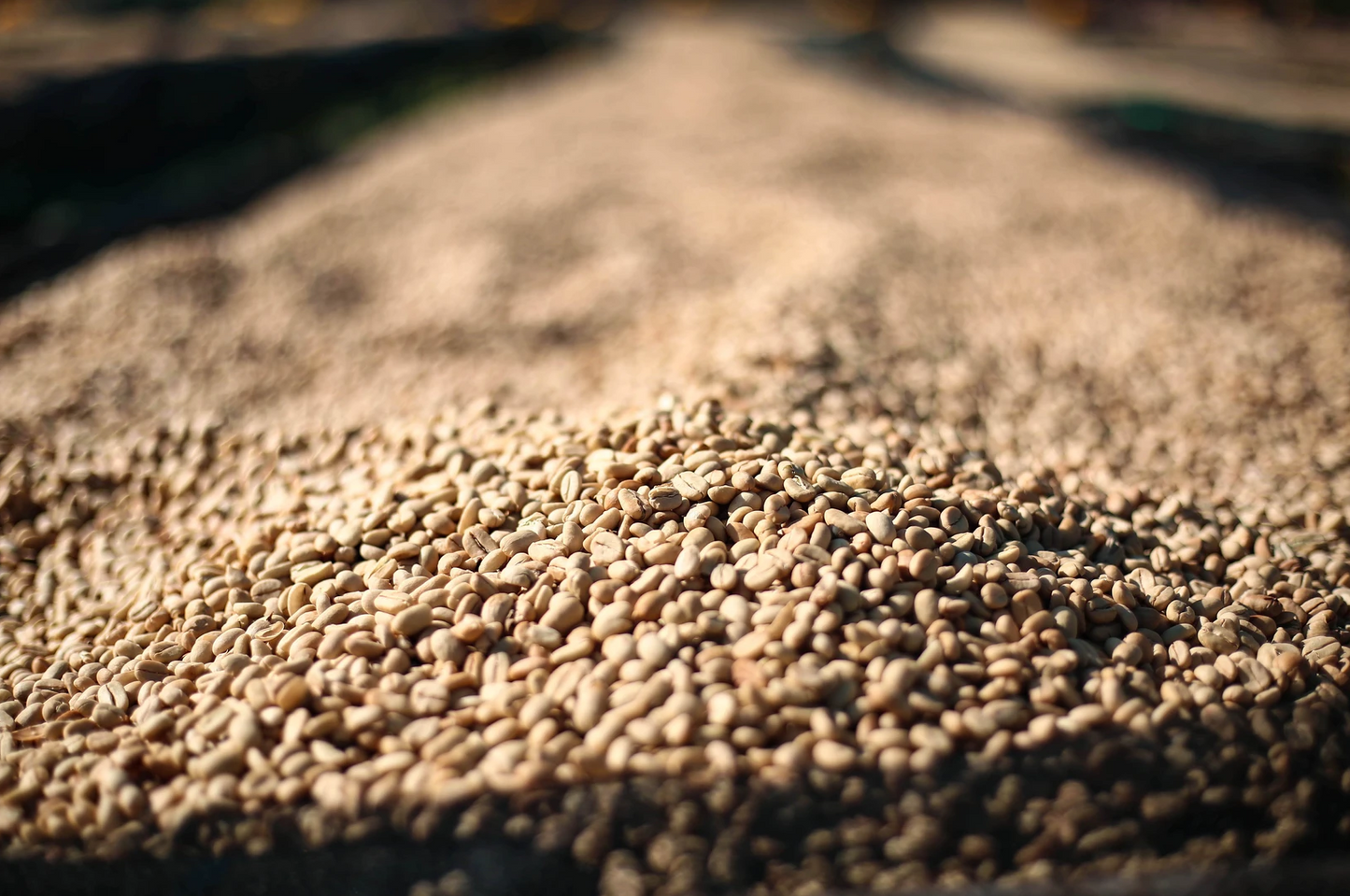

Explore the ultimate masterclass in Ethiopian coffee processing with our Triple Process Selection
This bundle showcases how distinct processing techniques bring out the sweetness and acidity from Ethiopian beans.
The Three-Process Lineup
The Three-Process Lineup
Features three distinct expressions: Part I Washed Banko Gotiti (bright tangerine, peach, and elderflower), Part II Anaerobic Natural Chelbesa (syrupy tropical fruits, peach, and chocolate fudge), and Part III Natural Shantawene (vibrant blueberry, jasmine, and pineapple).
The Heritage of Heirloom Varieties
The Heritage of Heirloom Varieties
Sourced directly from the legendary Ethiopian highlands, all three lots in this selection exclusively feature the prized Heirloom variety. Grown at extreme altitudes and managed by dedicated local smallholders, these beans embody centuries of coffee tradition and deliver the uniquely complex flavour profiles Ethiopia is renowned for.
Filter & Cold Brew Recipes
Filter & Cold Brew Recipes
Optimised for manual pour-over methods like V60 or Chemex using a 1:15–1:17 ratio (20g dose to 300–340g yield at 92–93°C for 2:00–2:30). Alternatively, brew as a concentrated cold brew using a 1:10 coffee-to-water ratio steeped for 5–10 hours in the fridge.


Frequently asked questions
What is the difference between Washed, Natural, and Anaerobic Ethiopian coffees in this bundle?
This 3 x 250g bundle is designed as a tasting masterclass to show exactly how processing changes flavour.
Washed (Banko Gotiti): The fruit is removed before drying, resulting in the "gold standard of clarity" with bright tangerine and elderflower.
Natural (Shantawene): The coffee is dried inside the whole cherry, allowing the seeds to absorb exotic sugars, creating a vibrant, fruit-forward blueberry and jasmine profile.
Anaerobic Natural (Chelbesa): The cherries undergo a meticulous, oxygen-free fermentation in sealed tanks, creating an incredibly heavy, syrupy mouthfeel bursting with tropical fruits and chocolate fudge.
What is new in the 3.0 release of the Ethiopian Triple Process Selection?
For our highly anticipated 3.0 release, we completely refreshed the "Clean" and "Exotic" expressions of the bundle. We swapped out the previous Danche Washed and Moralayo Natural, introducing the stunning Banko Gotiti Washed and the aromatic Shantawene Natural. Anchored by the returning fan-favourite Chelbesa Anaerobic Natural, this new trio provides an even greater contrast of processing methods, giving returning customers a completely new journey of elderflower, blueberry, and tropical fruit notes to explore.
How do I brew these Ethiopian filter roasts so they taste sweet and complex, not weak or sour?
Ethiopian coffees are renowned for their delicate florals and bright acidity, but because the beans are so dense, they can easily taste under-extracted or weak if brewed incorrectly. To fully extract the natural sweetness, we recommend a V60 pour-over. For the Banko Gotiti and Shantawene, use a 1:15 ratio (20g dose yielding 300g of water) at 93°C. For the Chelbesa Anaerobic, stretch the ratio slightly to 1:17 (20g dose yielding 340g of water) at a slightly cooler 92°C. Aim for a 2:00–2:30 minute draw-down. This heat and precise timing will perfectly dissolve those tangerine and peach sugars for a vibrant, juicy cup.
Can I use these light-roasted Ethiopian beans to make cold brew coffee at home?
Absolutely! While dark roasts make heavy, chocolatey cold brew, using these premium light-roasted Ethiopian beans creates an incredibly refreshing, tea-like, and juice-forward cold brew perfect for warm weather. We recommend a tighter 1:10 ratio (for example, 50g of coarsely ground coffee steeped in 500g of cold filtered water). Let it sit in the fridge for 5 to 10 hours. The longer you let it soak, the more concentrated and intense the tropical fruit and blueberry flavours will become.
Is this Ethiopian coffee good for beginners?
This bundle is the perfect entry point for anyone wanting to explore the wild, exotic tastes of specialty filter coffee. By comparing these three unique 250g bags side-by-side, you will rapidly develop your palate and discover exactly which coffee processing methods you prefer.